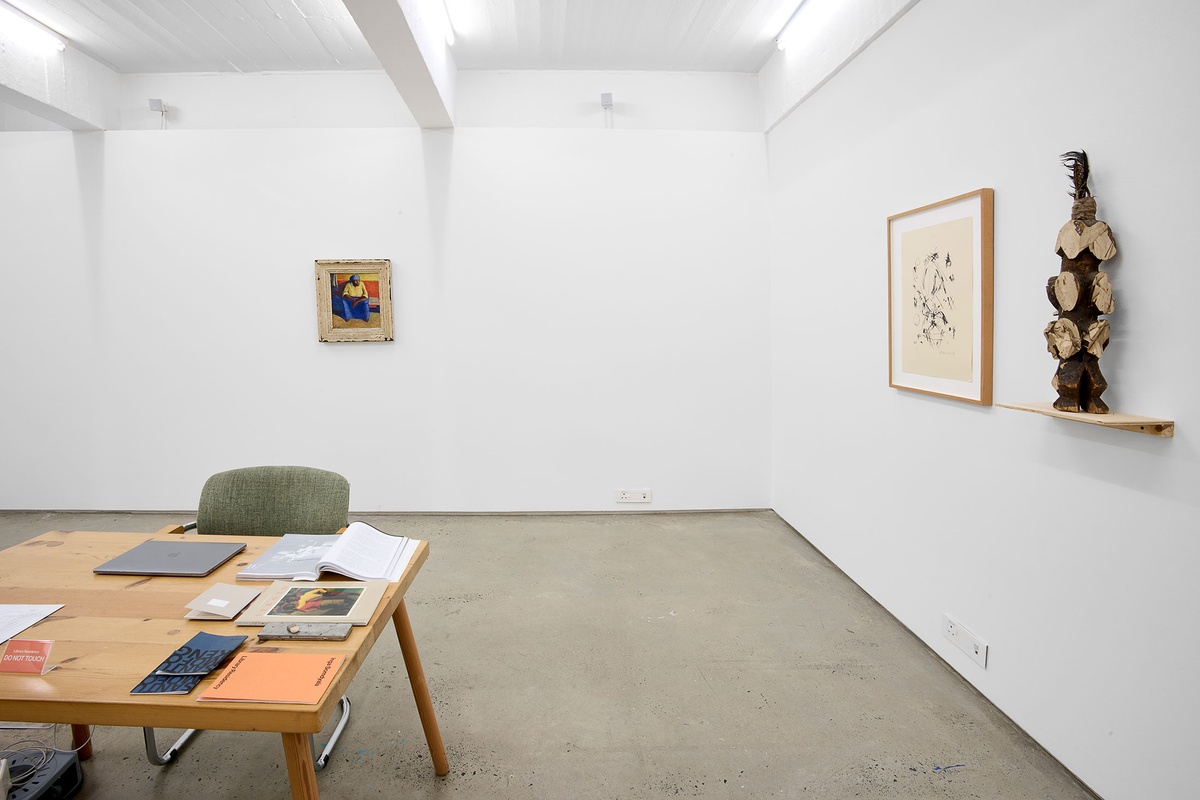
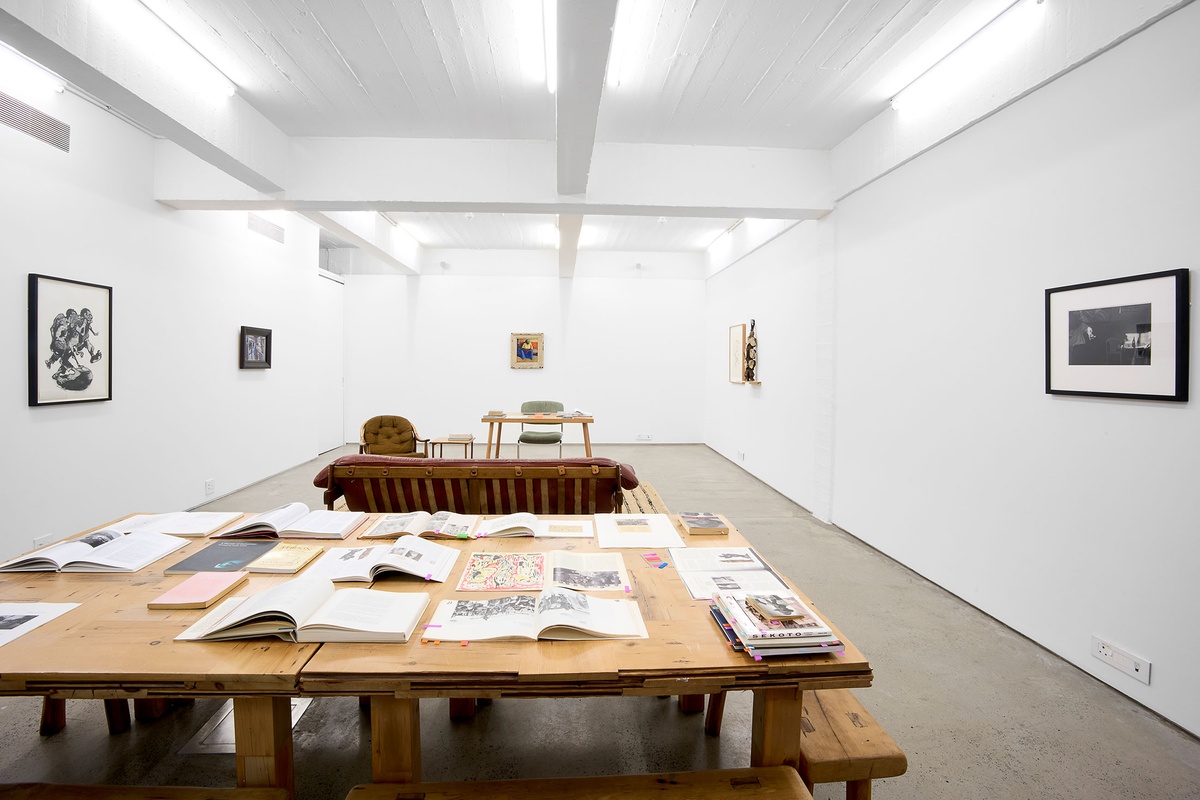
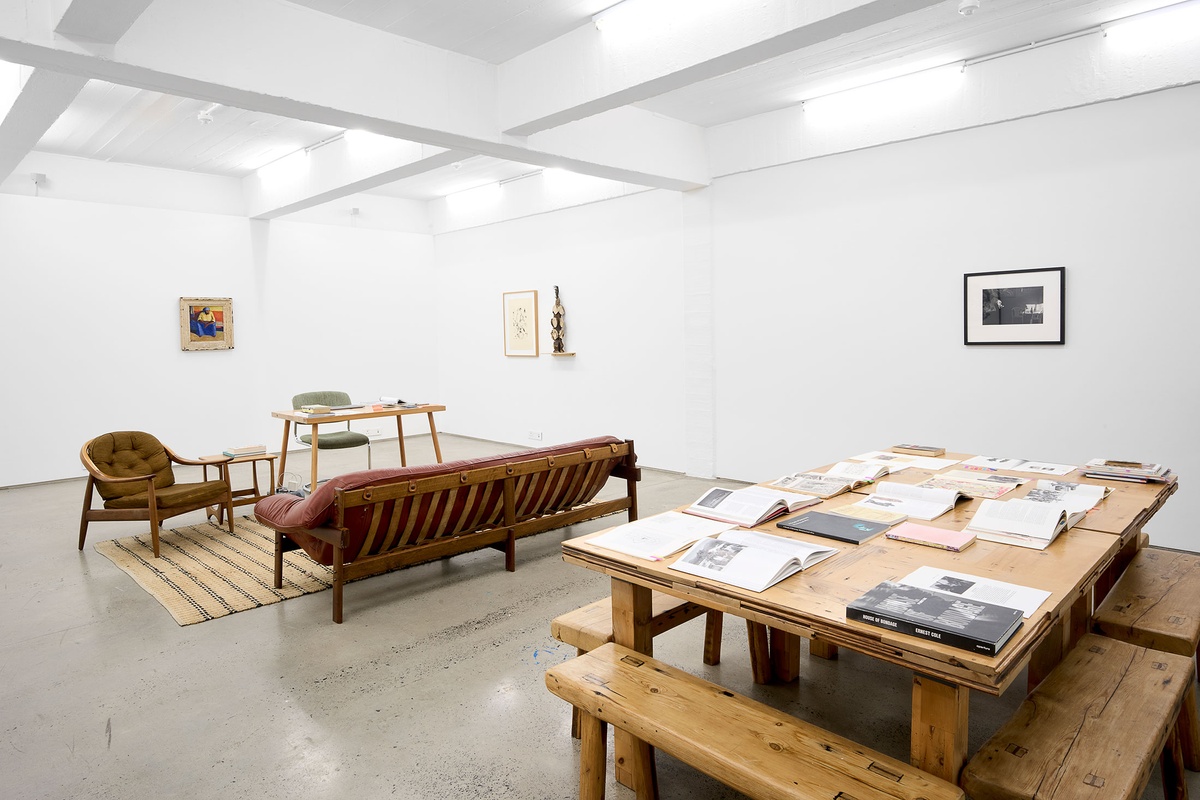
Gerard Sekoto
b.1913, Botshabelo; d.1993, Nogent-sur-Marne
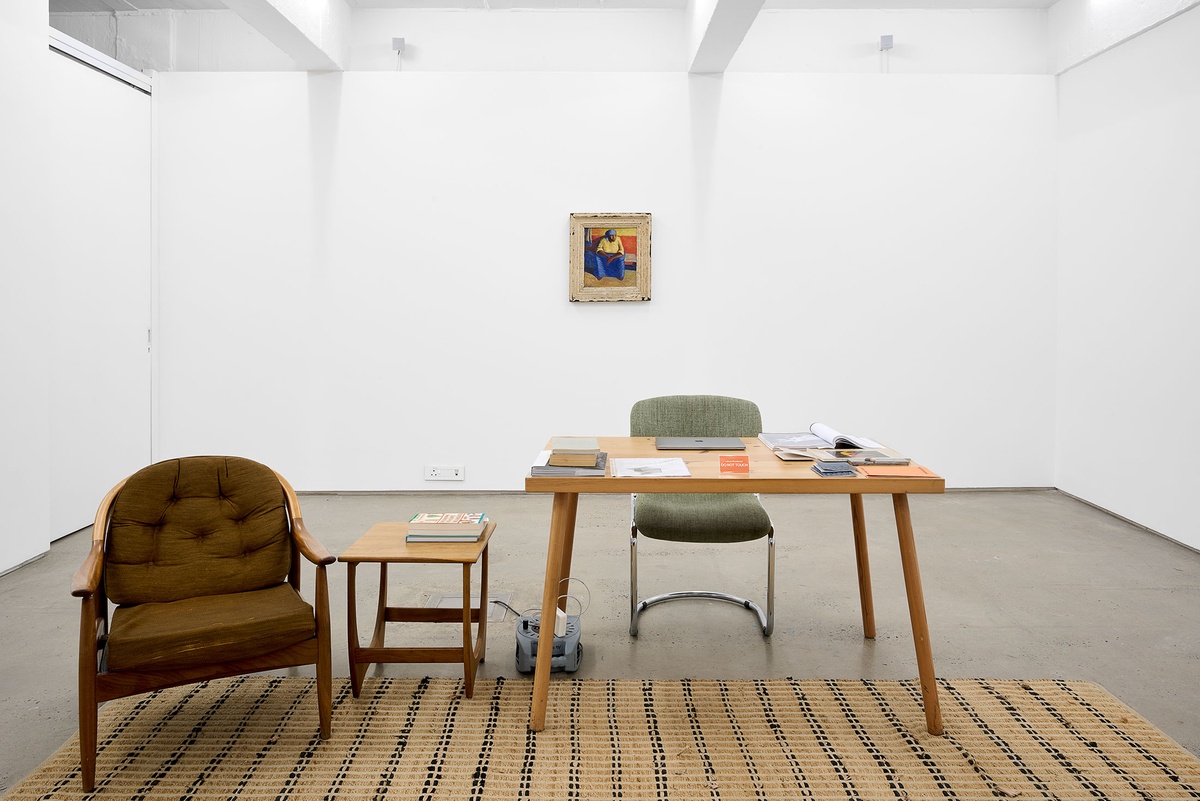
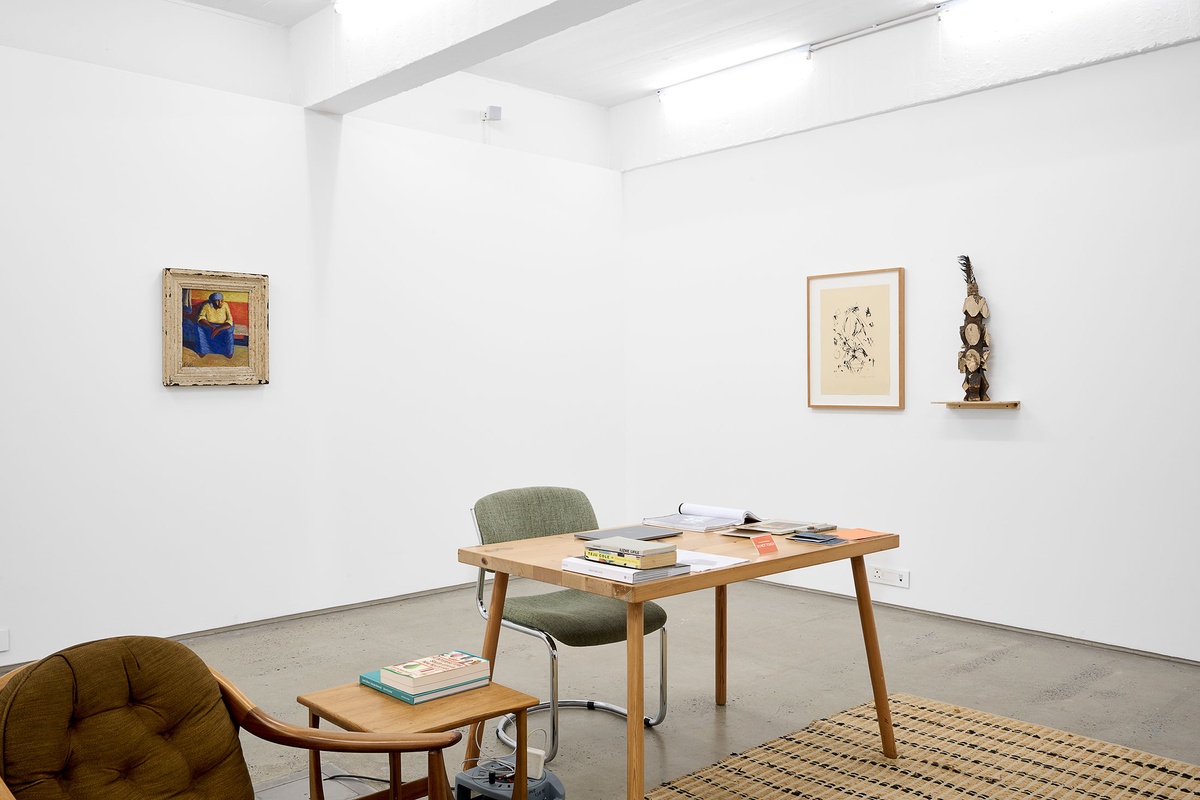
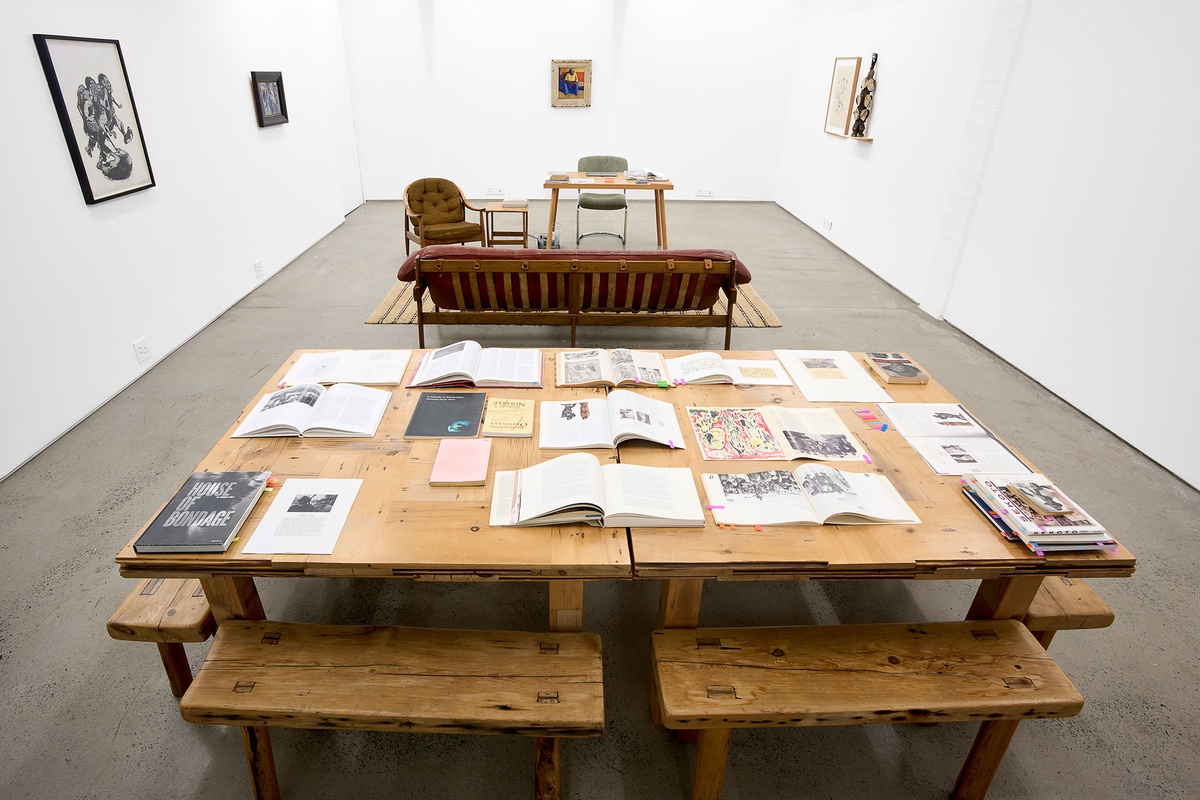
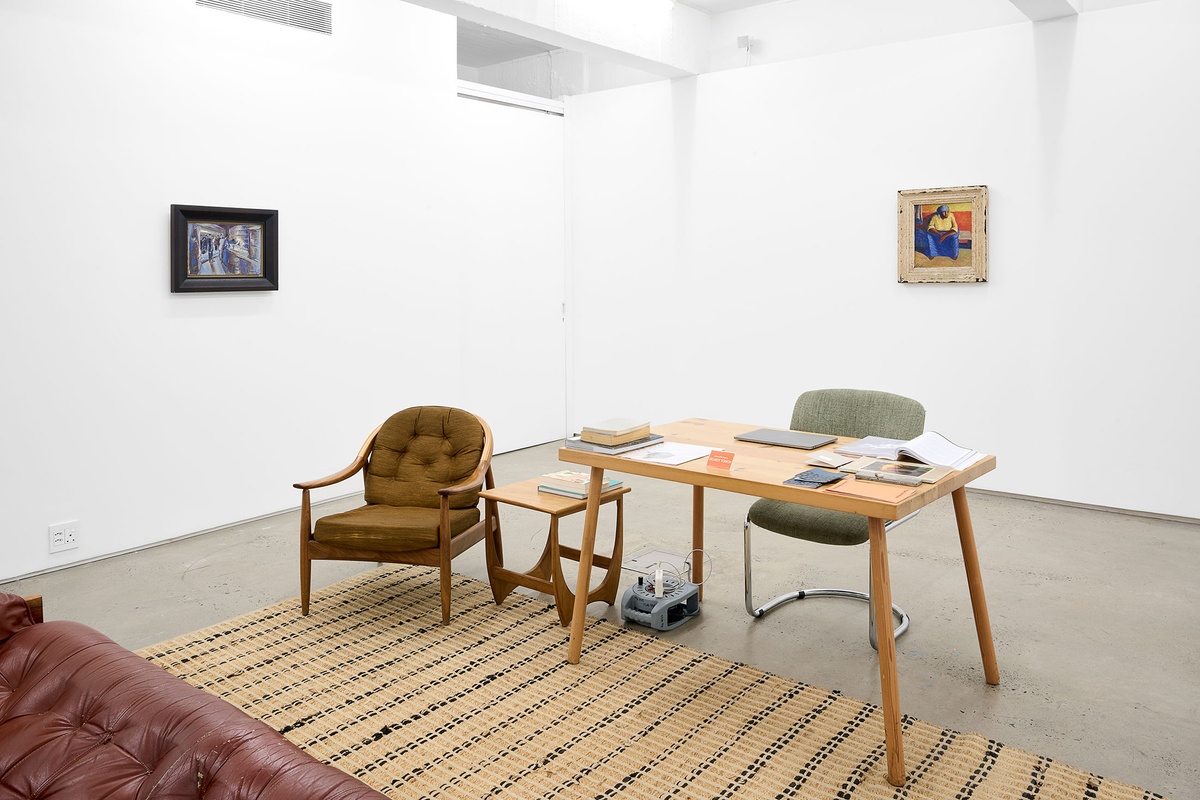
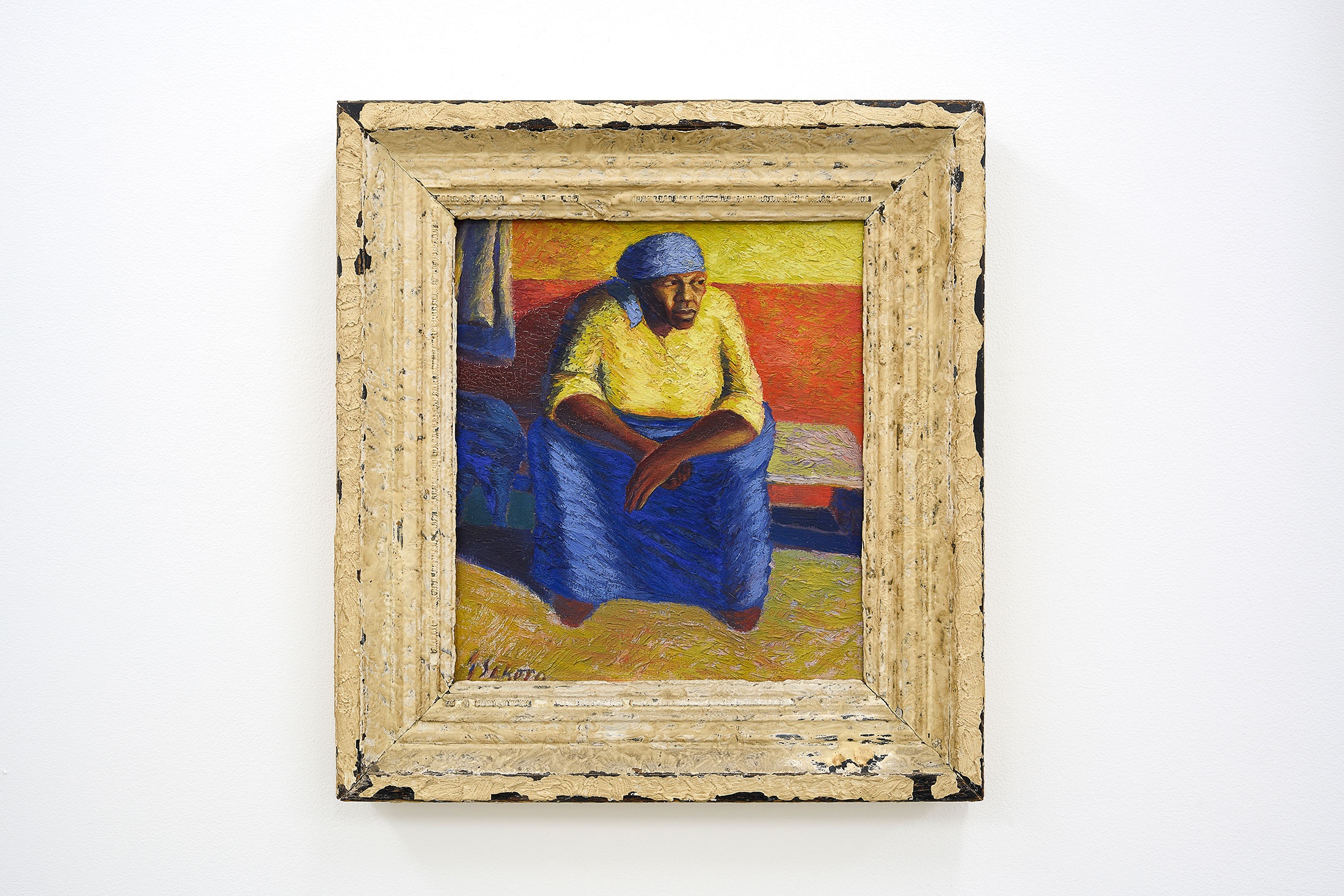
“All that I do, even outside of South Africa,” Gerard Sekoto wrote, “is still with the eye, the heart and the soul of the land of my birth.” Today counted among the country’s most celebrated modernists, Sekoto’s paintings transcribed everyday life into images of profound humanity. Writing in 1983 under apartheid’s pall, the art historian Esme Berman championed what she called the artist’s primitive style. “None of the tired academic clichés or timid prettiness which so irked the modern spirits were present in the self-taught painter’s work,” she wrote of Sekoto. “The fearless colour, the unconventional viewpoint, even the awkward handling of familiar forms was refreshingly original and honest.” He took as subject the scenes around him – in Sophiatown, District Six, and Eastwood – impoverished areas designated for people of colour. By the 1980s, all three suburbs had been razed under the Group Areas Act. Sekoto, however, did not witness their destruction – he had left for Paris in 1947. The following year, the National Party was elected, and apartheid became state legislation. While he returned often to township scenes in his paintings, Sekoto would never again return to the country of his birth. He died in exile in 1993, shortly before South Africa’s first democratic election.