Steven Cohen
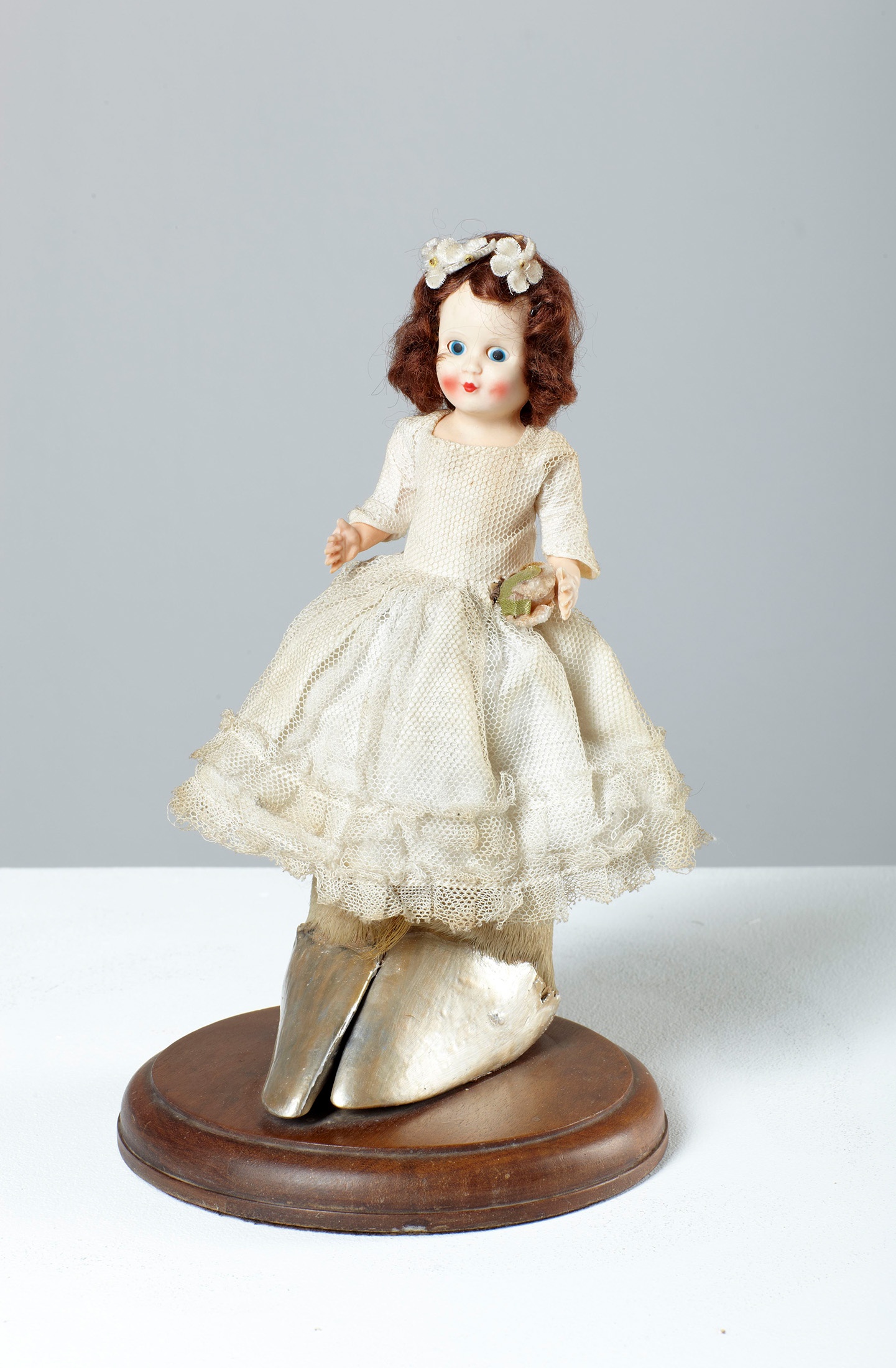
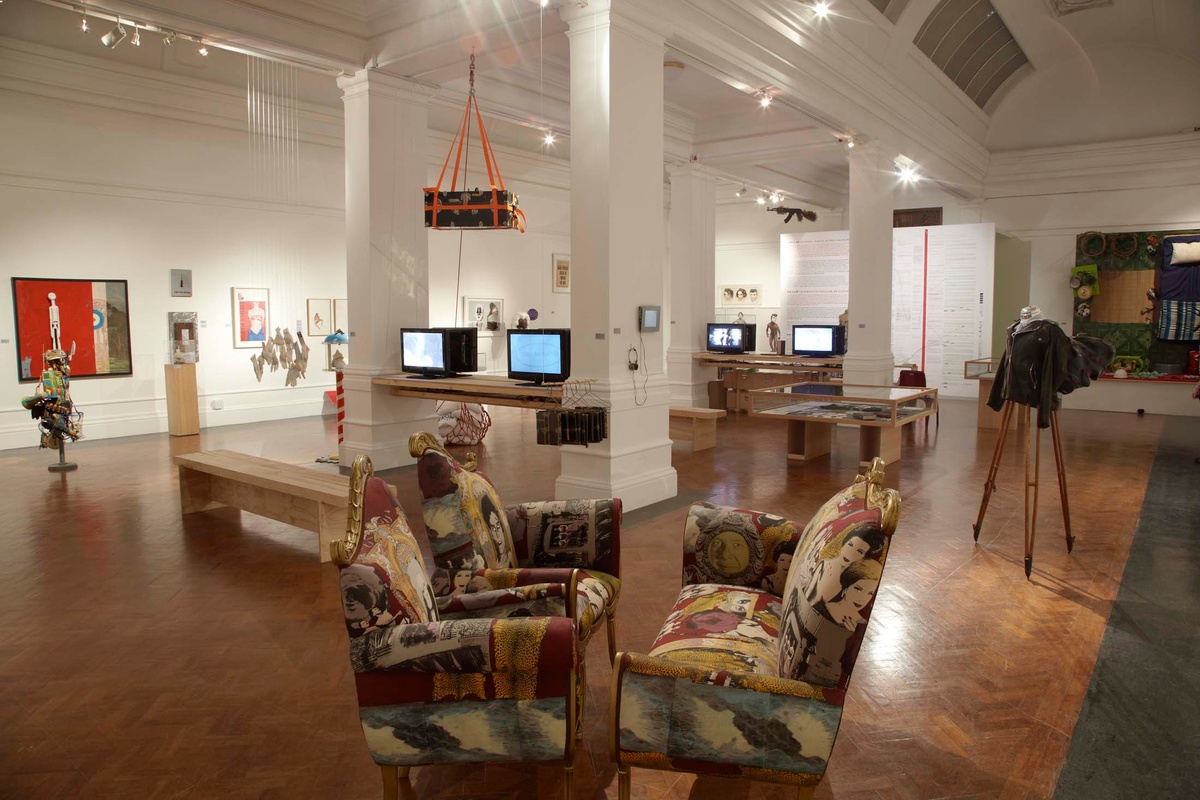
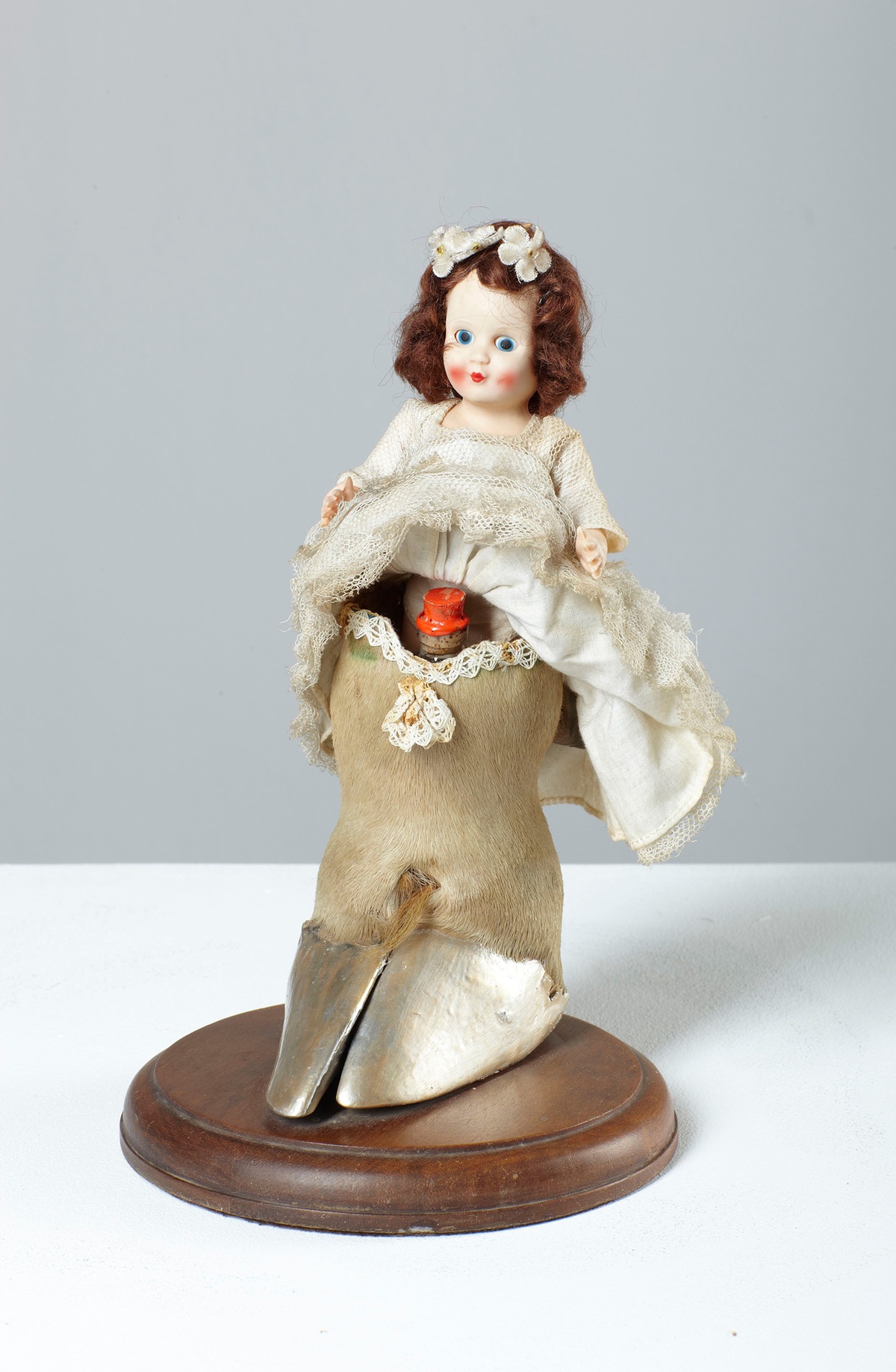
This artwork was loaned to the exhibition Dada South? Experimentation, Radicalism and Resistance curated by Kathryn Smith and Roger van Wyk, Iziko South Africa National Gallery, December 12, 2009–February 28, 2010. It is indexed here as part of Smith and Van Wyk’s revisiting of the Dada South? Archive of materials at A4 Arts Foundation.
b.1962, Johannesburg
A performance-art provocateur, Steven Cohen is recognised for his baroque excesses and the “conceptual drag” – as he describes it – of his site-specific encounters. His more infamous pieces include walking the length of Wall Street in high heels set on human skulls, appearing in a South African informal settlement as a resplendent chandelier, and floundering in the blood left on an abattoir floor. In Paris in 2013, dressed as a bird and with a live rooster attached to his genitals by a length of string, Cohen was arrested and tried for sexual exhibitionism. This public rebuke, however, did little to dampen his subsequent work. By turns absurd, whimsical, and abject, Cohen’s performances unashamedly press up against the limits of identity politics. As he described himself in a 1998 interview with Q Online:
I am an artist and I am a dog. I am a faggot and I am a Jew. I am white and I am an ugly girl. I have a cock and I am South African.
The artist’s body is primary in these works: pale as porcelain and seemingly as fragile, yet balletic and limber. Other bodies offer further opportunities for radical encounters with difference, particularly those of his longstanding collaborators: Nomsa Dhlamini, a black woman formerly employed by Cohen’s family as his nanny, and Elu Kieser, a dancer and the artist’s lover, who died prematurely in 2016 following nearly two decades of creative and romantic partnership. The complexities of being, and the central, if self-limiting, role of identity’s descriptors, have remained a thematic constant in his work, from his earliest screenprints to his elaborate costume and make-up designs, as well as his parallel practice collecting darkly charged memorabilia – such as Nazi keepsakes and apartheid propaganda – and religious knickknacks. Folded into these reflections is another: that of the fine line between exquisite love and exquisite pain.